
Why do you need a programming language?
Before answering this, let’s step back and ask a simpler question.
Why do we need a Language at all?

As humans, we depend on people around us in many ways.
We give instructions, make requests, share opinions, or simply communicate casually.
To do all this, we need something common — a language that both sides understand.
Without a common language, communication is not possible.
Now think about a computer.
It does not understand English, Hindi, or any human language.
It only understands electrical signals and binary values.
So how do we communicate with a Computer?
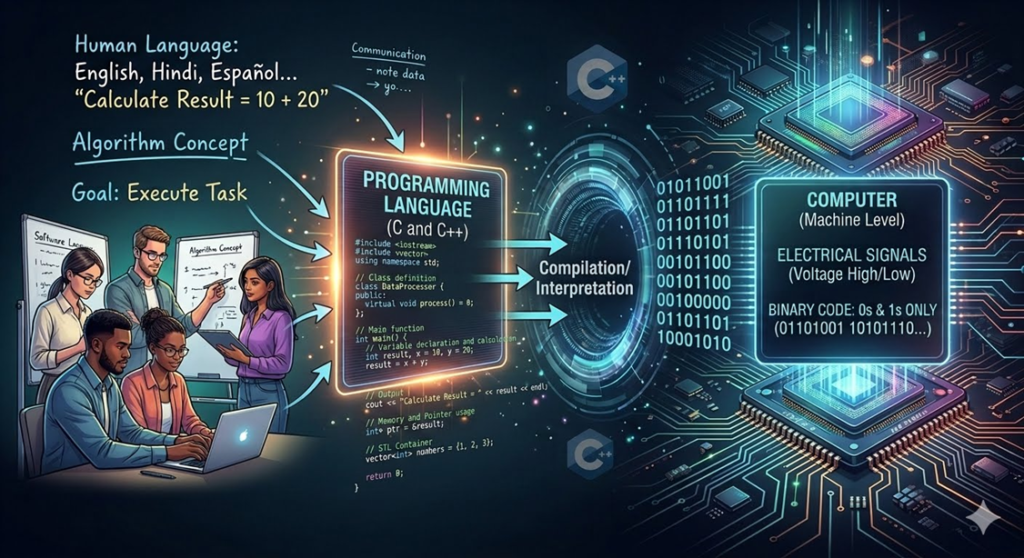
This is where programming languages come in.
A programming language acts as a bridge between humans and machines.
It allows us to express our ideas and instructions in a way that the computer can understand and execute.
In simple terms:
A programming language is used to instruct computers and machines to perform a task.
Look around you and observe.
Everyday devices we use are powered by programming:

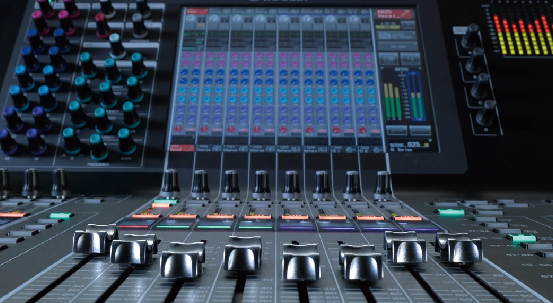
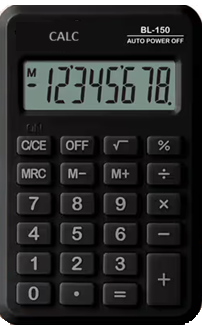
- Calculators
- Fitness bands
- Audio systems
- Weighing machines
- Remote-controlled cars & toys
And even larger systems:
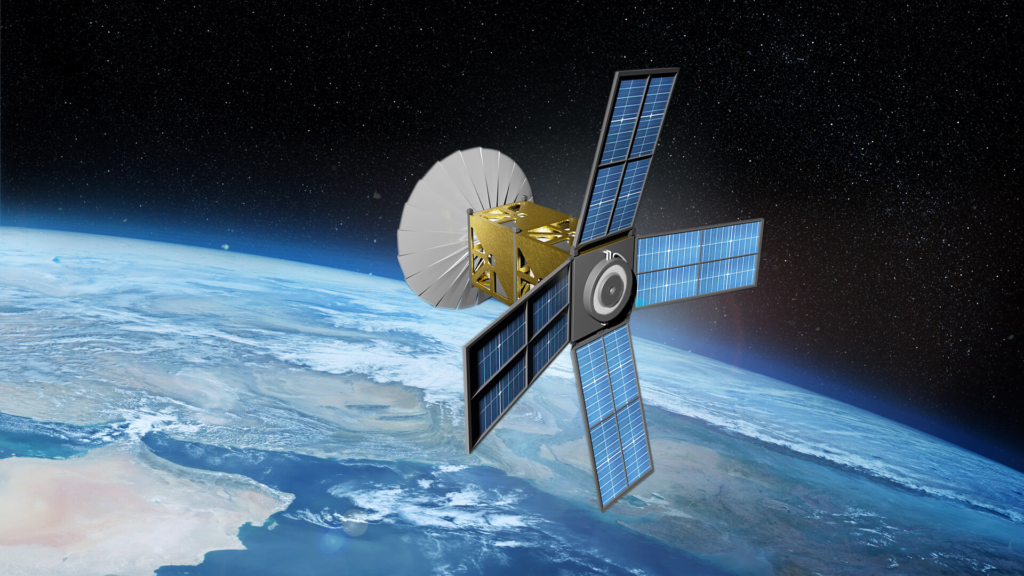
- Satellites
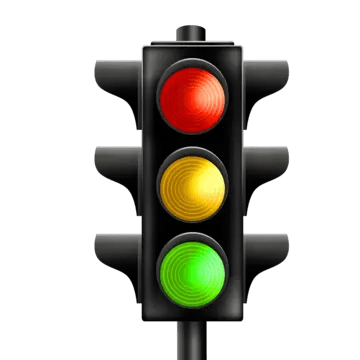
- Traffic lights
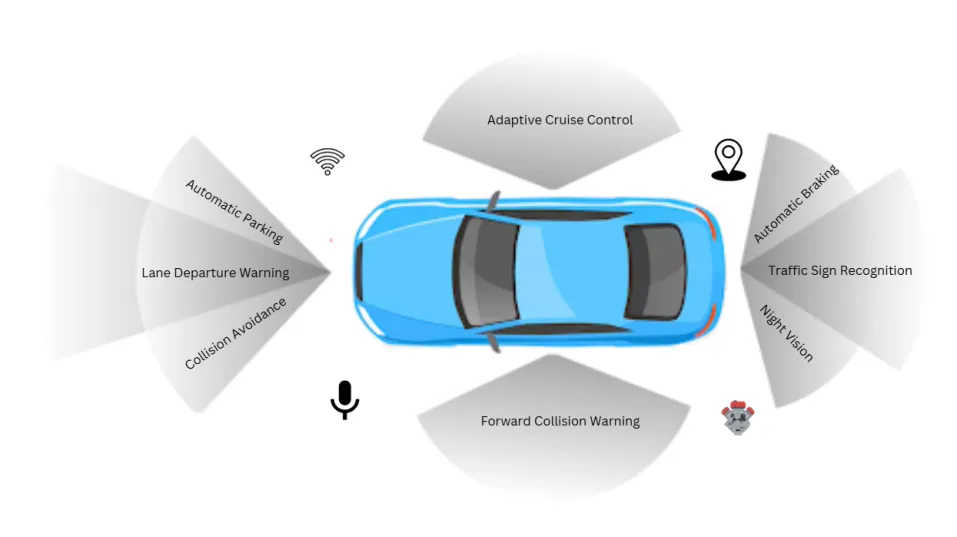
- Automotive safety systems (Airbags, ADAS, DMS)
- Toll gates
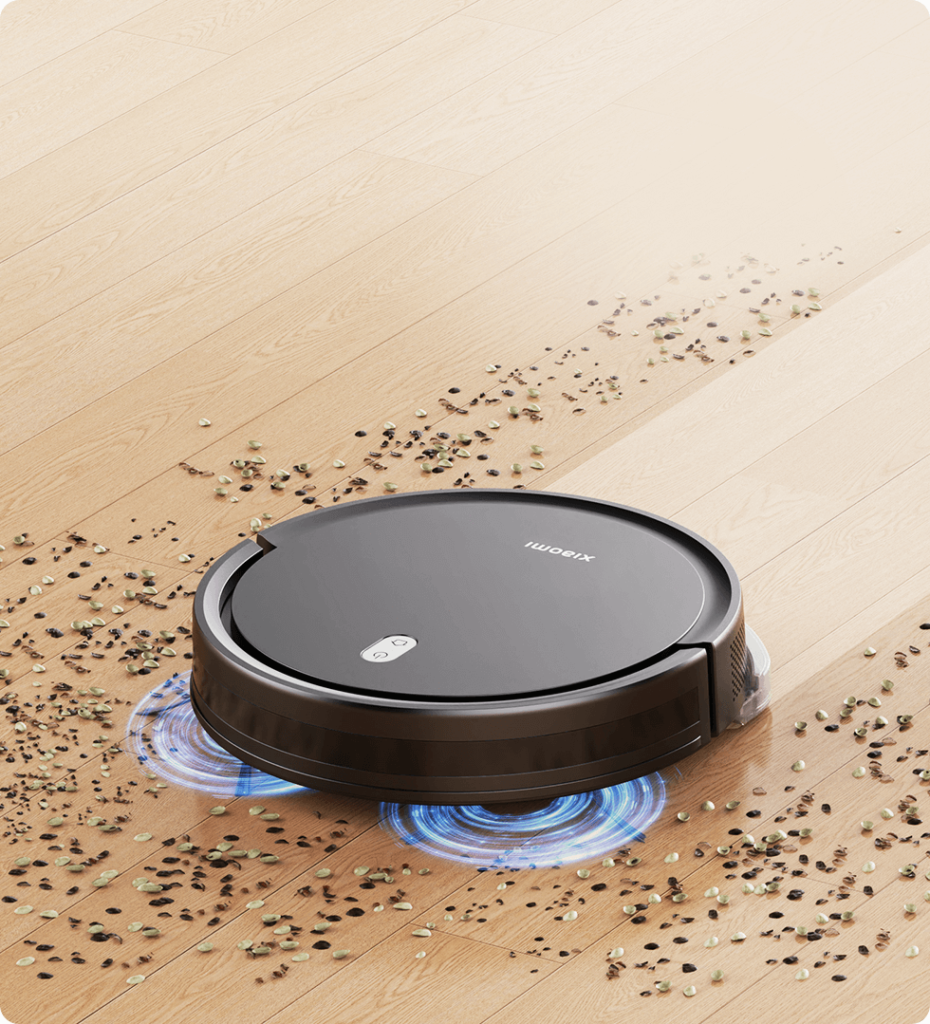
- Vacuum cleaning robots
All these systems are designed to perform specific tasks.
They are not general-purpose like computers.
They are built to do one job — but do it reliably.
Inside every such device, there are two key components:
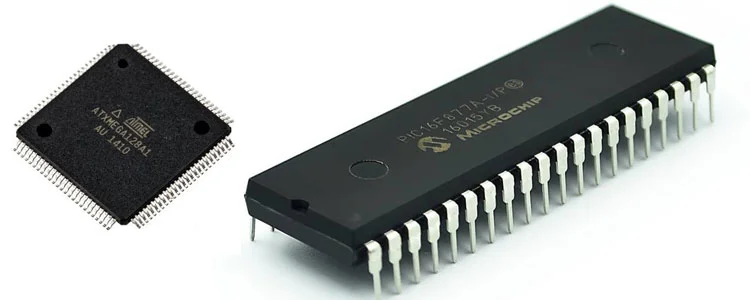
- A Processor (brain)
- Memory (storage)
The instructions written using a programming language are stored in memory.
The processor reads these instructions and executes them step by step.
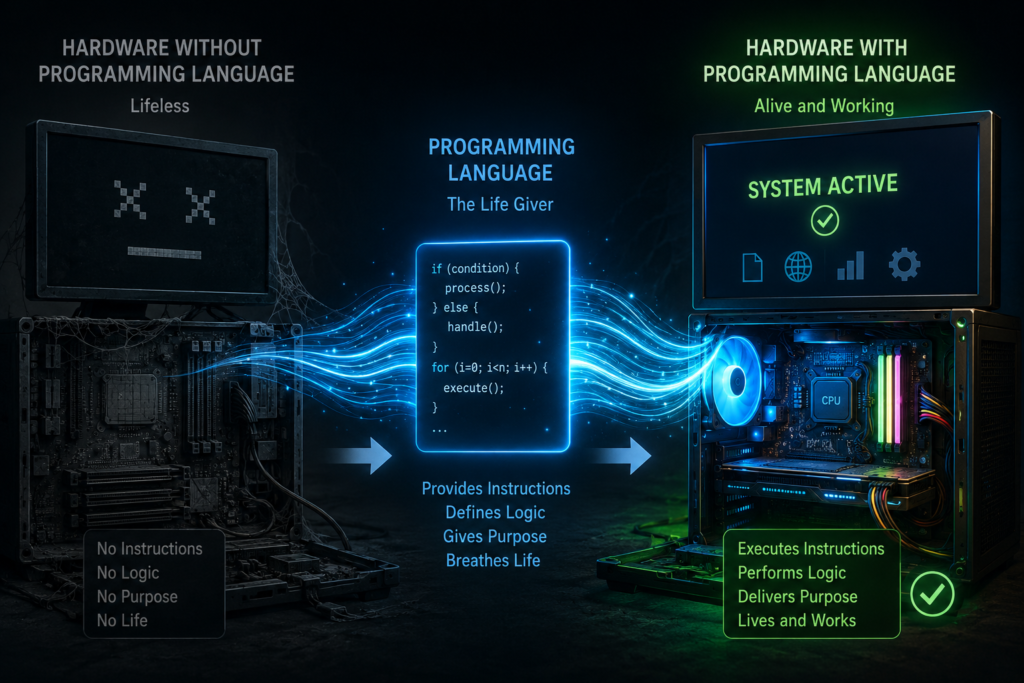
So without a programming language:
The hardware exists,
but it has no behavior.
Programming gives life to the system.
This is especially important in embedded systems.
Because here, your code directly controls real-world devices.
Sensors read data.
Motors move.
Systems respond.
That is why programming languages are essential.
They allow humans to communicate with machines,
define behavior,
and build systems that interact with the real world.
A programming language is a way to give instructions to Computers and Machines to perform a specific task.